Health and Safety Policy — Skip Hire Barbican
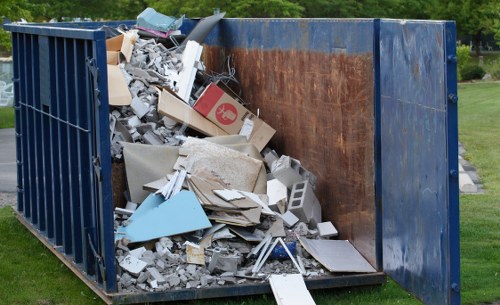 Purpose: This Health and Safety policy sets out how Skip Hire Barbican and affiliated skip hire services will protect employees, contractors and the public when providing skip hire, rubbish removal and waste collection in our service area. The aim is to prevent injury, ill health and environmental harm through clear control measures and consistent operational standards. This policy applies to all activities related to skip delivery, collection, loading and yard operations.
Scope: The policy covers site operations, vehicle movements, manual handling, hazardous waste management and customer premises work carried out by the rubbish company service area. It applies to permanent staff, temporary workers and third-party contractors engaged for disposal, recycling and transport. Everyone engaged in our skip hire operations must follow the standards and safe systems of work documented here.
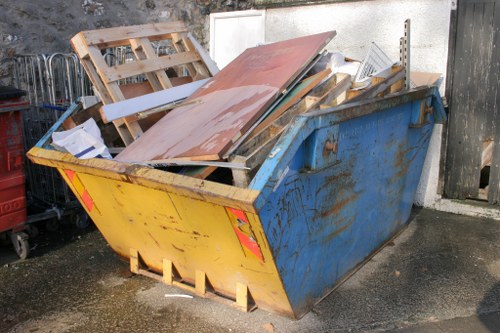 Responsibilities: Senior management must provide leadership and resources to implement this policy. Supervisors are responsible for on-the-ground enforcement, risk assessments and training. Employees and subcontractors must follow instructions, use personal protective equipment and report hazards or incidents immediately. Line managers will ensure competency checks for drivers and loaders and confirm vehicle inspections before each shift.
Risk Assessment and Hazard Control
All operational activities must be subject to documented risk assessments that identify hazards, evaluate the level of risk and define control measures. Typical hazards in skip hire and rubbish removal include manual handling injuries, vehicle strike, slips, trips, falls, exposure to hazardous substances, sharps and asbestos contamination. Controls include task-specific safe systems of work, exclusion zones during lifting, and clear customer instructions for acceptable waste types.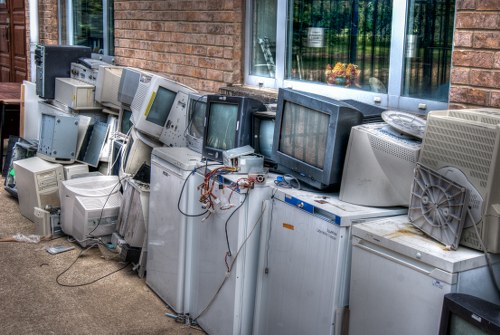
Personal Protective Equipment and Workwear
Staff must wear appropriate PPE such as hi‑vis clothing, gloves, steel‑toe boots and eye protection when handling waste and operating equipment. Respiratory protection is required where dust or airborne contaminants are present. All PPE must be maintained, replaced when defective and recorded in equipment logs. Supervisors will ensure PPE is used correctly and that hygiene facilities are available for handwashing and first aid.Vehicle and Site Safety: Vehicles must be inspected daily, loaded correctly and secured for transport. Drivers must be trained in load restraint and safe reversing practices, using banksmen when visibility is restricted. Yard operations must be segregated from pedestrian routes; skip placement shall follow a traffic management plan. Mechanical handling equipment should only be operated by trained personnel and maintained under a planned schedule.
Manual Handling and Lifting — Manual handling training is mandatory for all staff engaged in lifting, carrying or moving skips and waste. Use mechanical aids where possible and follow safe lifting techniques. Loads should be assessed before handling and team lifts used when necessary. The company promotes a no‑lift policy for items above safe manual handling limits, relying instead on mechanical equipment.
 Hazardous and Prohibited Waste: The rubbish company service area prohibits the disposal of certain hazardous materials in standard skips, including asbestos, chemical wastes, contaminated liquids and pressurised gas cylinders unless handled under authorised procedures. If hazardous material is suspected, operations will stop and qualified personnel will manage containment, removal and documentation. Waste segregation and clear labelling reduce the risk of cross-contamination.
Emergency Response and Incident Reporting — All incidents, near misses and injuries must be reported and recorded without delay. A clear escalation process ensures that severe incidents receive immediate medical attention and investigation. Firefighting equipment and spill kits must be available at yards and vehicles, with staff trained in their use. Post-incident reviews will identify corrective actions to prevent recurrence.
Training, Competence and Supervision
Regular training programs cover driving safety, manual handling, hazardous waste awareness and vehicle maintenance checks. Records of training, licences and certifications are maintained for all employees. Supervisors conduct regular toolbox talks and competency checks to ensure consistent application of safe working methods across the skip hire and rubbish removal operations.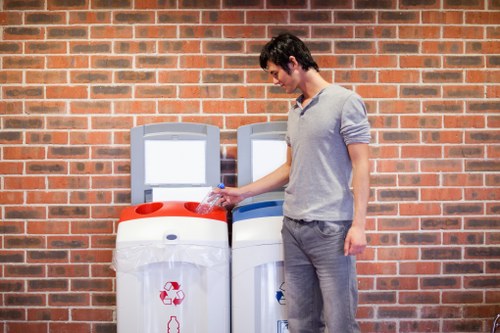
Contractor Management and Subcontracted Services
Contractors engaged for specialist collection or disposal must demonstrate equivalent health and safety standards. Before work begins, contractors must provide method statements, risk assessments and evidence of insurance and competence. The company reserves the right to suspend or reject subcontractors who do not meet required safety standards.Monitoring, Review and Continuous Improvement: This policy will be monitored through routine inspections, incident trend analysis and periodic audits. The senior management team will review the policy annually or following significant operational changes or incidents. Continuous improvement is promoted through staff feedback, safety suggestions and updates to procedures to reflect best practice in skip hire, waste collection and rubbish removal services.
Key Controls and Commitments:
- Zero tolerance for unsafe acts that endanger staff or the public.
- Clear segregation of hazardous and non-hazardous materials.
- Regular maintenance and pre-use checks for all vehicles and equipment.
- Mandatory reporting of incidents and near-misses to drive corrective action.
Conclusion: Our commitment is to maintain a safe working environment for all parties interacting with our skip hire services. By combining risk assessment, training, supervision and continuous monitoring, Skip Hire Barbican aims to deliver rubbish collection and waste management services while minimising risk to people and the environment. All staff and contractors are required to read, understand and actively implement this policy as part of their working duties.